Winch Use Tips & Tricks

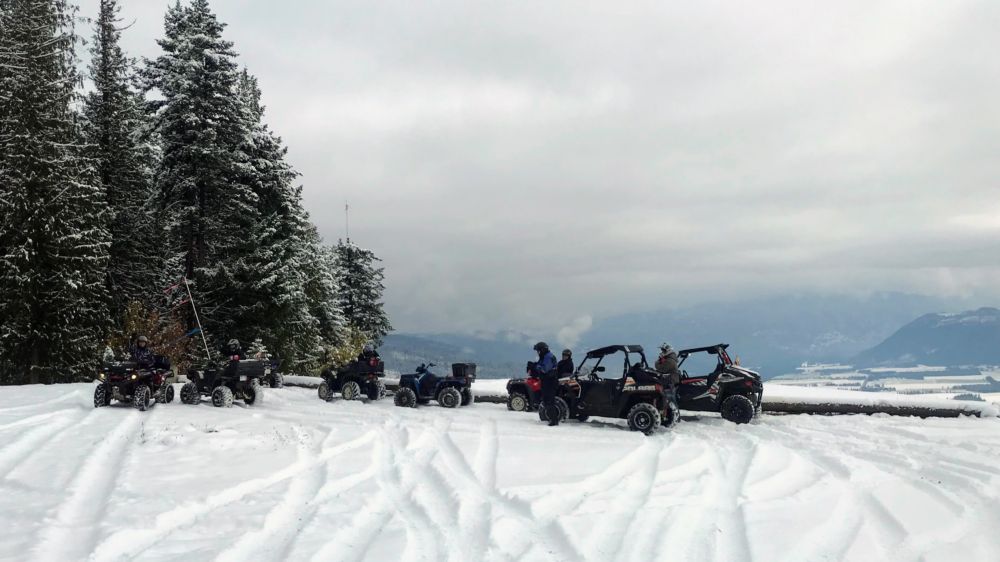
It’s the time of year when the weather can’t decide if it’s going to melt or snow from day to day. The trend is warming from here out though so the snow will vary from frozen/icy conditions in the morning and shaded sites and progressing to sloppy wet snow in the afternoons which means you’re gonna get stuck and need your winch!

How well do you know your winch?

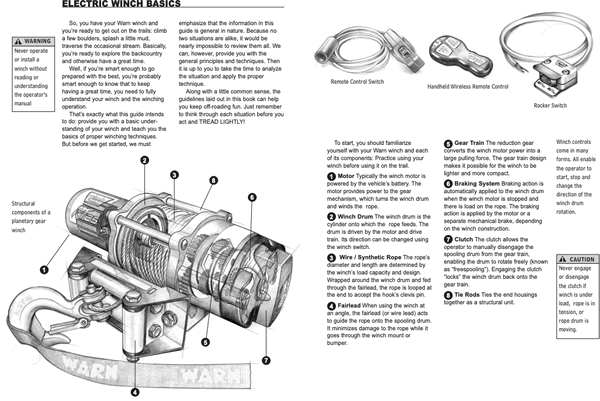
Good question right, the manual that came with your winch was one of the first casualties when you tore into the packaging to see your fancy new winch. You’re in luck though because most manufacturers make their manuals available for download via their website. Grab your manual or hop over to the manufacturer’s website and download it then give it a good read, there’s a surprising amount you’ll learn about your winch.

Download Warn’s Basic Guide to Winching Techniques – PDF

Winch Safety

Life saver or life taker, it’s all in how you use any tool. We seldom use our winch unless someone is stuck or in a precarious position so there’s always a heightened amount of risk when using a winch.

  1. Understanding how our winch works – we found the manual and read up on our winch so we know how the switch works, how to engage/disengage the clutch, and how long we can run the winch before we need to give it a break to cool before further use.
     
  2. Brought our bag of winch accessories – so we can connect to trees or other machines without damaging, gloves to protect our hands and extra rope/cable/strap because you’ll always be stuck exactly 6″ further than the nearest solid object your winch line can reach.
     
  3. Assess the situation – to determine if we need to act quickly to prevent a machine from rolling or if we have time to plan how to extract the machine from the prickly predicament you’ve positioned yourself in.
     
  4. Communicate the plan – if you’re riding alone or with others you want to think and talk through your plan to ensure it’s a good plan and that everyone understands how to proceed. 
     
  5. Time to rig up for the pull – employing all the gear you’ve brought get everything hooked up for the big moment. Remember to place a jacket, bag, tree branch over the cable to suppress the energy of the cable recoiling back at you should the cable break.
     
  6. Final checks – everyone reviews the plan and makes sure we’ve covered all the possible things that could go wrong. Now it’s time to get your wheeler back on the trail.
     
  7. Success!

Winch Horror Stories

Unfortunately we’ve all probably heard or seen our share of winching horror stories, here are a few so you can avoid them yourself:

  • Pinch Zone Danger! – winches exert amazing force and they love the taste of fingers. ALWAYS, ALWAYS, ALWAYS hold the strap, not the hook when reeling in your winch. Take it slow when you get near the fairlead and even just let it go, it’s not worth getting your finger or hand crushed.
     
  • People Pulling Midspan – we’ve seen people grab the cable just as tension is coming up resulting in the cable pulling the person to the ground or pinning them against an object. Just stay the heck out of the way when winching is underway.
     
  • Pulling the Wrong Direction – be aware of where your machine is going to go as it’s pulled out and avoid pulling on an angle because it can pull your machine on its side or roll it.
     
  • When the Cable Snaps – you’ve gone through all the work of getting your machine almost all the way back to the top then snap, it’s off on another adventure back down the hillside. Check your cables, look for obstacles that are going to create resistance in your pull and consider having a second strap securing your machine should the main pull cable break.

Videos

2021 Resilient Rider Challenge

We’re challenging all riders to take the off season (for most riders) to become a more resilient rider for 2021. Being prepared every time we head out riding means being able to repair small break downs, navigating your way home after getting turned around, being able to get a message to family from far outside cell coverage and having the supplies necessary to stay warm and dry should you become stranded. 

Preparation

Many of us take the winter off to pursue other forms of recreation or just hunker down to stay warm. Winter is the perfect time to prepare our machine, safety gear and emergency supplies so when spring rolls around we’re ready to hit the trails.

  • Your Machine – no one wants to be towed home from a ride, or worse yet, stranded a long way from anywhere. Now’s the time to be giving your machine a good once over. It’s often possible to catch small problems before they become big issues by taking a good look ourselves or by have it checked over at our amazing local dealers. Don’t forget that trailside repairs are sometimes required, assemble a toolkit with the right size wrenches for your machine.
  • Riding Gear – a helmet, eye and face protection, gloves, long sleeve shirts or a jacket, long pants and good boots are going to improve your comfort on rides and provide extra protection should you be bucked off. Depending on your ability, terrain you ride and how you ride you may want to look at additional protection like a chest/back protector, knee and elbow pads

    If you’ve owned your helmet a long time or if it’s taken a spill or two it’s definitely time to look at a new lid. Helmet technology has progressed rapidly in the last decade as result of all the research into concussion and brain injury. Top end powersport helmets now feature an amazing array of technology to protect your grey matter in high speed, low speed and rotational impacts. It’s recommended you replace your helmet every five years or if it’s ever sustained a major impact. Visit your local shop and bring your helmet for a quick inspection.
  • Chainsaw or hand saw, what if you ride up a trail with no exit and find a freshly downed tree blocking the trail on your return? Without a saw you may be SOL. A good handsaw will get you through many of the trees we encounter on rides and a chainsaw will increase the size of trees you can deal with and speed the process. Remember to check fuel and oil levels, know how to start your saw and learn how to sharpen your chain or carry spare chains. 
     
  • Emergency Supplies & Survival Gear – should you be stuck in the bush, whether it’s for a couple of hours or overnight, it’s important to have emergency supplies to improve your outcome. Rides often take us higher into the mountains where weather is more extreme and can change quickly. What started as a sunny ride can quickly turn into a dash to find shelter when a mountain storm erupts. Having good water and wind proof clothing, bug spray, fire starter, extra food & water, emergency blankets, warm clothing, sunscreen, a knife and a first aid kit can make an enforced night in the bush much more survivable.

Communication Devices

  • The cell phone, it’s changed so much in such a short time. It’s an amazing tool and can be a great resource in the backcountry but it also has severe limitations. Not far off the beaten path cell coverage typically disappears and in cold weather your phone’s battery may discharge at a much faster pace than you’re used to. Most of the places the club rides do not have cell coverage, relying on your cell phone in the backcountry isn’t a solid plan.
     
  • Satellite Communicators like SPOT, inReach and ZOLEO massively improve your chances of getting a message out when there is no cell coverage. It’s still possible to end up in a dead zone due to local geography but these devices give you a much better chance of being able to send a message to loved ones or send a SOS if you’re in trouble and some provide two way messaging. A monthly/annual subscription is required, for example Garmin inReach starts at $14.95 per month.
     
  • Radios like FRS, GMRS, HAM and others can play an important in safely navigating forest service roads and may help you reach others when in trouble. Check with local radio shops or the North Okanagan Radio Amateur Club to learn more about how to properly use a radio.

Navigational Aids

Whether you’re exploring new trails or have a preplanned ride, knowing where you started, being able to follow your track back or find an alternate route back to staging is critical. Preplanning your route on Google Earth or one of the many online trail tools can help you find new trails and make you aware of other routes around trail obstacles.

  • Paper maps have largely been supplanted by GPS navigation but a good map and knowledge of how to use it is still a great backup and in the right hands is still effective.
     
  • GPS devices from Garmin, Magellan and Lowrance are the most accurate, most reliable and most popular nav tools on most ATVs. A dedicated GPS device will provide accuracy and long battery life but many riders don’t know how to use most of the features. We suggest taking a few hours to familiarize yourself with the interface and how to start and stop tracks to record your rides, create waypoints, navigate to waypoints and create routes. 
     
  • GPS apps on smartphones are quickly gaining popularity due to the ease of use of the smartphone interface, overwhelming number of app choices and diverse feature set. Leading names in the app space include Backroad Mapbooks, Polaris Ride Command, Gaia GPS, Alltrails and Trailforks. Most apps have a free trail, it’s important you compare a few apps before signing up for premium subscriptions because the features vary greatly, coverage in Canada may be missing and not all GPS apps are created equal.
     
  • Clues on the trails, whether they be road signs, the amount of brush/blowdown across a trail, clear or muddy water in mud puddles and tracks on a trail (or a lack of tracks) are all there to help you. If you are trying to trace your track back from unknown territory but haven’t seen any tracks in or out of mud puddles on the road you’ve likely taken a wrong turn somewhere. 

Having a Plan & Sharing It

Having a plan and communicating it to someone will help people know when and where they should start looking for you if you don’t arrive home on time. Search and Rescue often starts their searches with very little information which means critical time is spent searching a large area, if you’ve had an accident this could be the difference between life and death.

Resources

Temporary Club Ride Suspension

2020 supervillain COVID-19 strikes again!

The Vernon ATV Club has temporarily suspended organized club rides to comply with the current COVID-19 regulations in BC. We are monitoring updates from the BC Public Health Officer for when we can host organized rides again.

The current restrictions prohibit events and gatherings, we fall squarely under this category which is defined as “an in-person gathering of people in any place whether private or public, inside or outside”.

If you look back at the history of Vernon ATV Club rides they typically pick up in the fall and continue through the winter until it’s too deep for us to ride (but even then we typically ride) but this year we’ve come up against a formidable foe that is messing up absolutely everything.

As a club we must abide by the regulations set down by the PHO so we can’t organize rides until the regulations and restrictions are lifted.

Rest assured, the second we can safely interact in organized groups again, the Vernon ATV Club will have events scheduled for everyone to enjoy. Until then warm up your favourite YouTube channel, work on your machine or take up knitting(?).

National Philanthropy Day Ride

Ride Recap: A spectacular day on the trails of the west side of Mt Ida. Starting from the Silver Creek Community Park due to how treacherous the Deep Creek access would be with the amount of snow.

A big group, 28 riders in 24 machines clambered the hillside to enjoy the panoramic view of the Salmon River valley and Fly Hills and the winding trails.

Allen led the group up to the viewpoint then past Lost Lake then along some fun deactivated trails before heading back down through the slippery zone on the way back to staging.

10:00am Sunday November 15, 2020

The votes are in and Mt Ida was the winning ride location. The ride safety meeting starts at 10:00am.

We’re challenging everyone to give us much as they can when they attend this ride, whether it’s food or cash for the food bank or a gift for Santa’s Anonymous.

COVID-19 is our new reality so if you’re not feeling well don’t attend. If you do attend you must maintain social distancing throughout the day.

Ride safety meeting starts at 10:00am at Silver Creek Community Park off Salmon River Road. Join the convoy leaving the Tim Horton’s on 58th Avenue (across from WalMart) at 9:00am sharp!

The ride will feature a variety of trails from forest service roads to technical trails with difficulty reaching upper intermediate for short sections. The club will have spotters at difficult sections or get your machine around or through. The trails will accommodate quads and side x sides up to approximately 68″ wide.

Bring a lunch, we will try to have a campfire to warm up by at lunch but don’t plan on being able to cook lunch over the fire. Outhouse options are limited at Mt Ida so be prepared for bush business.

Vernon ATV Club rides go rain, snow, sleet and even sun. If you’re up for a ride someone will be there to join you!

Vernon ATV Club and events are open to everyone, we encourage new riders to come out for a couple of rides to meet club members, find new trails and get a sense of the club before joining.

Noble Canyon Cactus Ridge Ride

Ride Recap: Good fun on the snowy trails this past Sunday. It was great to have Steve back leading rides after a busy summer away, his first ride back started a bit later after a few machines experienced dead batteries and low tires after a summer of neglect. 

11 riders in 10 machines started out in brisk conditions that didn’t warm up much until late in the afternoon. Perfect early winter riding with up to 10″ of snow in places making for smooth trails and fun factor without danger of getting stuck.

10:00am Start Sunday October 25 Noble Canyon

Ready to ride at 10:00am at the bottom of Noble Canyon Road in Lavington. Remember to unload past the cattleguard then park your vehicle back alongside the road toward the highway.

This is a leisurely ride with approximately 6 or 7 stops throughout the day. The goal is to head up to Cactus Ridge, the hang glider launch and then hopefully make it back to Becker Lake and back down by 5:00pm.

Ride speeds will range from 30kmh on trails to 50kmh on roads will be suitable for upper beginner/intermediate level riders and up. A single tank of fuel will be adequate for the entire ride.

We’ll have a campfire at lunch so bring something to cook over the fire. The ride will go past one or more recreation sites for outhouse stops during the ride.

Vernon ATV Club and events are open to everyone, we encourage new riders to come out for a couple of rides to meet club members, find new trails and get a sense of the club before joining.

Ride Leader Training Session 2

10:00am Sunday October 25 – Mt Ida

Meet at Mt Ida staging off Deep Creek Road at 10:00am. If you’re coming from Vernon the convoy leaves the Tim Hortons on 58th Avenue at 9:00am.

The first hour or two will be theory and discussion then we’ll hop on the ATVs and apply what we’ve learned and have each trainee lead the group for a while.

What to bring:

  1. Food & drink for a day on the trails (the club brings coffee and donuts for the morning)
  2. A GPS isn’t required but is strongly recommended
  3. A pen and paper to take notes
  4. Clothing for all weather conditions
  5. Your “oh poop” supplies including: emergency gear/first aid kit/repair kit

Please register by email to info@vernonatvclub.ca by 5:00pm Friday, reference materials will be emailed to participants Friday evening.

Ride difficulty will range from FSR to technical trails rated up to intermediate difficulty. One tank of fuel will be more than enough for the amount of riding done during the day. We may not ride by an outhouse so come prepared to do your business in the bushes.

Weather never stops the Vernon ATV Club, even if it’s raining or snowing the event goes on. Once we’ve posted a ride/event it’s going to happen so come prepared for a good time!

Contact the Vernon ATV Club at 250-550-5290 or email info@vernonatvclub.ca to register or if you have any questions.

King Eddy Trail Maintenance

Thanks to these 11 brave souls who came out on a snowy and soggy Sunday morning to trim back the alder and branches on the Rock Spine Trail.

10:00am Start Sunday October 18

A couple of trails are getting pretty tight with alder doing what alder does best. We’ll spend a couple of hours of trimming the bush back to restore the trails to rideable condition then we’ll hit the trails after lunch for some quality ride time.

The club owns a couple brush saws (weed wackers with blades) and a pole saw that we’ll bring. We will may need a couple chain saws as well but we’ll also need people to throw the trimmings off the trail.

Safety is our top priority, bring all appropriate personal protective equipment if you are going to be operating power equipment. COVID-19 is still a reality so everyone needs to keep their distance throughout the day and stay home if you’re not feeling well.

Bring something for lunch, we’ll have a campfire to roast food and warm up by. Remember at this time of year and elevation the weather changes fast so bring clothing for all conditions.

The ride portion will be on FSR and trails ranging from Green (Beginner) to Blue (Intermediate) experience levels. Assistance is available to get riders through should we encounter a difficult obstacle along the ride.

Speeds will range from low speed trails up to 50/60kmh on FSR sections. A single tank of fuel will be sufficient for the anticipated ride distance of less than 80kms.

There are numerous recreation sites along the ride so outhouses will be available if needed.

Vernon ATV Club and events are open to everyone, we encourage new riders to come out for a couple of rides to meet club members, find new trails and get a sense of the club before joining.

Trail Maintenance with Vernon Snowmobile Association

Recap: A busy days on the VSA and Trinity Ricardo Trails. Our hard working crew was assigned to remove downed trees and check sign condition on a portion of the trails.

Thanks to Kevin from VSA/SAR for organizing the day and the VSA volunteers for a great BBQ lunch!

The photo with Andrew being shamed is for possibly blowing up his quad’s engine and needing a tow home.

9:00am start @ Vernon Snowmobile Trails Parking Lot

The ATV Club has been invited to cruise the trails, do some trail brushing and take an inventory of the trail signage. We’re limited to 20 machines and this is a work day first and foremost with some trail riding mixed in.  Click here for directions to the Vernon Snowmobile Trails Parking Lot is in Silver Star Provincial Park.

Riders will need to bring their normal riding/safety gear plus work gloves and any PPE (Personal Protective Equipment) required if running a chainsaw. The club will bring 2 brush saws and have all PPE necessary.

The club has sheltered in the cabin during storms and enjoyed a few rides on the Vernon Snowmobile Trails/Trinity Ricardo trail network. Here’s our chance to give back and make the trails more enjoyable for all.

There will be a campfire at lunch and the Snowmobile Club has a BBQ so you’ve got lots of lunchtime cooking options.

Register to attend by emailing info@vernonatvclub.ca by 5:00pm Saturday, October 3.

The Epic 250km Ride

Ride Recap: Success at last, our first attempt at this ride was thwarted by snow 2 years ago this same weekend. The weather didn’t look too promising in the week leading up to the ride but thankfully the weather people smiled on us and we had rain in the days prior to cut the dust and sun all day while riding.

The morning started early with 20 riders and 17 machines at the morning safety meeting at 7:45am in a brisk wind and on their machines ready to go shortly after 8:00am.

The route wound its way along roads, trails and past lakes, viewpoints and recreation sites throughout the day.

There were two 45 minute stretches of FSR riding to transit to other trails, we’d like to cut these out but Graystokes Park means no cross trails connecting separate riding areas very easily.

After putting up with the extended road sections riders were rewarded with a great climbing trail up McAuley Creek to the Aberdeen Plateau. The final stop of the ride was at Edwin Lake then home to staging for a total start to finish time just under 10 hours with 240kms covered.

Kudos to all riders for an excellent job doing leapfrog on the corners, not a single lost rider or missed turn all day long! For such a long ride it was uneventful with no mechanicals and everyone had enough fuel for the entire ride.

View and Download the Epic 250 GPS Track

8:00am Start Sunday September 27

We last tried this 2 years ago but were snowed out. Let’s see if we can make it happen in 2020, it’s a crazy year so why not!

This ride is not for everyone, here’s what you need to know to participate in this ride:

  • Ready to ride at 8:00am sharp!!!
  • You must be able to ride 65kmh minimum on FSR stretches
  • Your machine has to be in good mechanical order
  • You must bring enough fuel to go 250kms
  • Be prepared for fewer/shorter breaks than normal club rides

We will be turning riders away that aren’t able to meet the criteria above.

Ok, so you’re up for the ride? Read on then!

Starting at 8:00am Sunday, September 27 from the bottom of King Eddy FSR in Coldstream. It’s a long ride so we need to start early, keep up a good pace and we’ll still be late in the afternoon getting back.

Ride difficulty is upper intermediate due to the speed, nothing greater than intermediate level difficulty obstacles along the route.

There will be a mix of trail and FSR with extended sections of FSR which is unavoidable on a ride this length. Consider bringing ear plugs because one section is 30+ minutes of FSR done at cruising speed (65kmh minimum) which gets a bit tiring on the ears.

Bring food and drink for a full day on the trails. Breaks will be short and they won’t happen very often so bring something you can poke down quickly. We will pass a number of recreation sites with outhouses for those in need of facilities. Remember we’re still in COVID times so everyone must keep a safe distance from others throughout the day.

We reach 6,000ft elevation along the route so bring cold/wet weather riding gear.

Ride Route – this isn’t 100% accurate as it has been simplified to reduce the number of waypoints but is a pretty close approximation of the 250km ride route.

Download the GPX file and bring your GPS or download a 3 month free trial of Gaia GPS App to your phone to track the ride.

Please get in touch if you have any questions by email at info@vernonatvclub.ca

Rides and events are open to everyone, we encourage new riders to come out for a couple of rides to meet club members, find new trails and get a sense of the club before joining.

Ride Leader Training Session 1

An amazing day with our 4 new Ride Leader trainees Angeline, Bob, Gerry and Randy. A+ marks to all and we couldn’t have done it without current leader Allen’s help but he didn’t lead so no grade for him.

The day started with 2 hours of theory and productive discussions then each new leader took their turn leading the ride.

Watch for upcoming rides with our new leaders.

9:00am Saturday September 19 – King Eddy FSR

It’s a go! Meet at the parking lot at the bottom of King Edward Forest Service Road at 9:00am. The first hour or so will be theory then we’ll hop on the ATVs and apply what we’ve learned and have each trainee lead the group for a while.

What to bring:

  1. Food & drink for a day on the trails
  2. A GPS isn’t required but is strongly recommended
  3. A pen and paper to take notes
  4. Clothing for all weather conditions
  5. Your “oh poop” supplies: emergency gear/first aid kit/repair kit
  6. 5-10 litres of extra fuel in case we get a lot of riding in

More training materials will be shared to participants Thursday afternoon.

Weather never stops the Vernon ATV Club, even if it’s raining the event will go on. Once we’ve posted a ride/event it’s going to happen so come prepared!

Contact the Vernon ATV Club at 250-550-5290 or email info@vernonatvclub.ca to register or if you have any questions.